
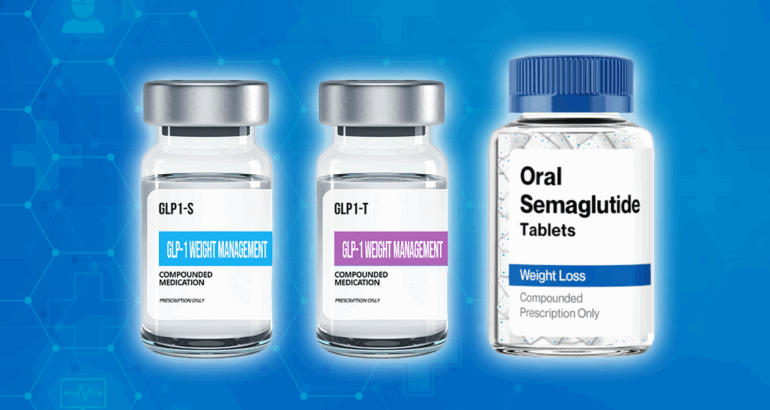
GLP-1 – Affordability Challenges
Consumers enrolled in high-deductible health plans (“HDHPs”) often encounter even greater affordability challenges because prescription drug coverage may not significantly reduce costs until deductibles are met. Many HDHP deductibles range from $3,000 to $6,000 annually, forcing patients to pay near-list-price costs during the early months of treatment. With costs between approximately $936 and $1,349 monthly, insured consumers may spend thousands of dollars out of pocket before insurance coverage meaningfully applies. Because GLP-1 medications are frequently prescribed as long-term therapies to maintain weight loss and metabolic improvements, ongoing affordability becomes a major concern for households already managing rising healthcare costs.

Consumers without insurance coverage face the highest financial burden. According to the Peterson-KFF Health System Tracker, U.S. prices for GLP-1 medications are substantially higher than prices in peer nations, costing several times more in the United States than in countries such as Germany or the Netherlands.
GLP-1 Medication Without Insurance
Without insurance, annual costs for GLP-1 medications can exceed $11,000 to $16,000 depending on the medication and dosage. Although manufacturer savings cards and patient assistance programs may reduce costs for some commercially insured patients, these programs often exclude Medicare and Medicaid beneficiaries and frequently contain annual savings caps or eligibility limitations. Consequently, many uninsured or underinsured consumers struggle to sustain long-term treatment despite clinical need.
Growing Demand
The growing demand for GLP-1 medications continues to place pressure on insurance carriers, employers, and government programs attempting to balance patient access with rising pharmaceutical expenditures. KFF reports that policymakers and insurers are increasingly evaluating strategies to manage the financial impact of GLP-1 coverage, particularly within Medicare and Medicaid programs where long-term costs could become significant. However, as insurers continue implementing specialty-tier pricing, utilization management restrictions, and coverage limitations, consumers are likely to face ongoing challenges accessing affordable GLP-1 therapy.
Prior Authorization, Step Therapy, Quantity Limits, and Annual or Lifetime Caps
Insurance carriers often impose strict utilization management requirements before approving coverage, including prior authorization, step therapy, quantity limits, and annual or lifetime caps on benefits. Step therapy programs may require patients to first try lower-cost medications or demonstrate unsuccessful weight-loss efforts before qualifying for GLP-1 coverage.

In many cases, employer-sponsored health plans exclude weight-loss medications altogether, even when obesity-related conditions significantly impact overall health outcomes. According to U.S. News & World Report, patients frequently face delays, denials, and administrative hurdles while attempting to secure approval for GLP-1 prescriptions.